There are plenty of ways that your business can save energy and lots of resources available online to help you understand what could work for your business.
Below are some links to some great sources of information and some basic energy saving tips that could work for your business.
The official UK Smart Energy campaign is a great place to start:
One of our installation partners Energy Assets Limited are smart experts too, and here is their downloadable guide to getting the best from your smart meter.
There are plenty of ways that your business can save energy and lots of resources available online to help you understand what could work for your business.
Below are some links to some great sources of information and some basic energy saving tips that could work for your business.
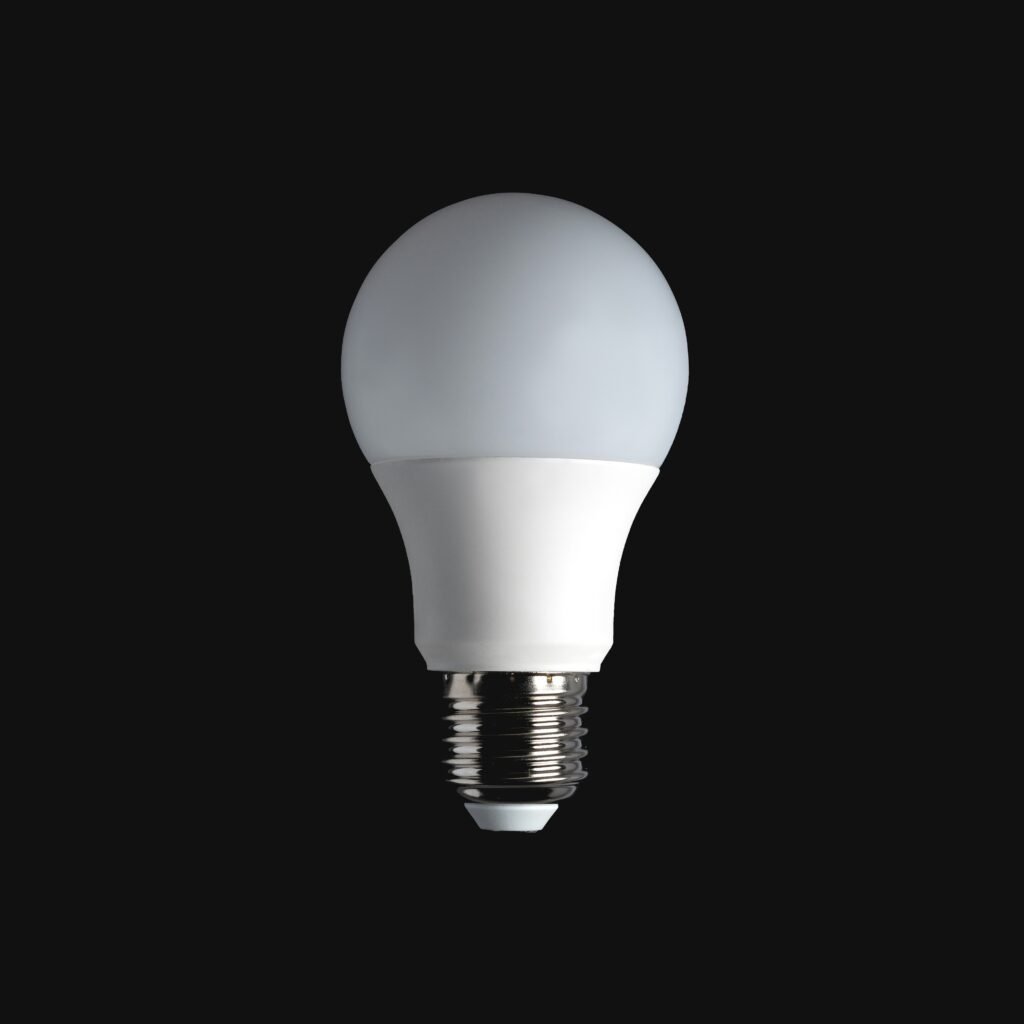
Using greener bulbs will cut energy usage and save money. They use up to 80% less energy than standard lamps and don’t need to be replaced as often, helping you keep maintenance costs down.
It’s easy to leave lights on when you don’t need them. Motion-sensitive lights turn off automatically when rooms are not in use. Make the most of natural daylight by opening window blinds during the day to reduce energy costs.
You may not need heating or air conditioning during mild spring or autumn days. Switch off heating when the temperature reaches 21°C. Air conditioning is generally not needed until the temperature exceeds 23–24°C.
If you need air conditioning, keep doors and windows closed to help maintain efficiency. Where possible, switch the air conditioning off overnight to avoid unnecessary energy consumption.
Producing your own energy can help reduce bills and lower your business’s carbon footprint. Solar photovoltaic panels only need daylight, not direct sunlight, to generate electricity and can be suitable for buildings of various sizes.
Switching off computers and monitors when they are not in use, especially overnight and at weekends, can help reduce unnecessary energy consumption and lower your organisation’s energy bills.
Older computers, fridges, boilers, and other equipment are generally less energy efficient. Upgrading to modern, energy-efficient technology can help reduce energy usage and save money over time.

Everyone enjoys a tea break, but being mindful of how much water you boil can help reduce energy consumption. Only boiling the amount of water you need for each cup can make a noticeable difference to your energy usage and costs.
Take regular meter readings to monitor your energy consumption. This will help you understand which processes use the most energy and identify areas where you can reduce waste, improve efficiency, and save money.
Get the latest news and tips straight to your inbox.
2026 Copyright © YGP BUsiness